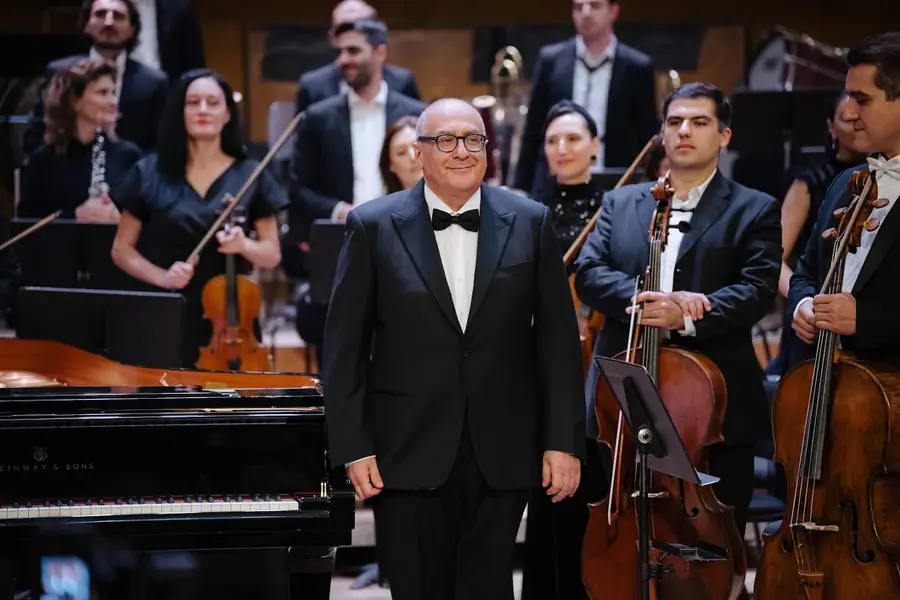
 EPIFANIO COMIS
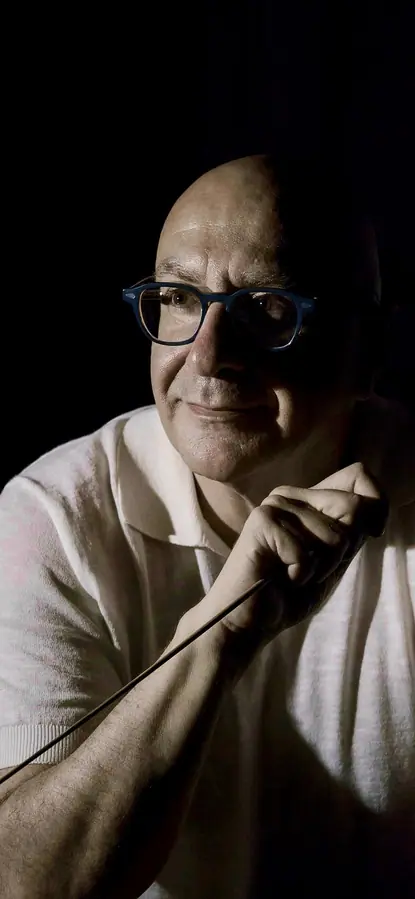
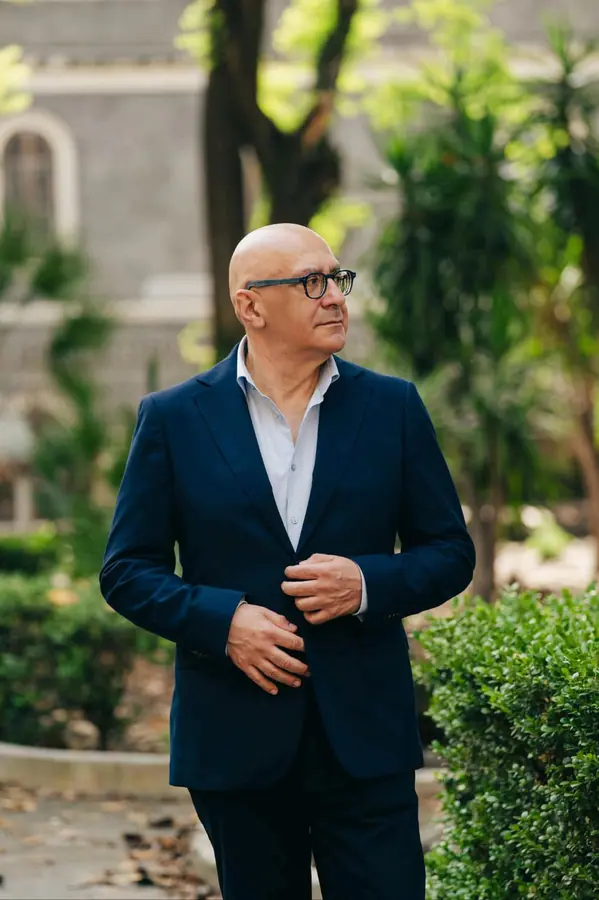
The portrait
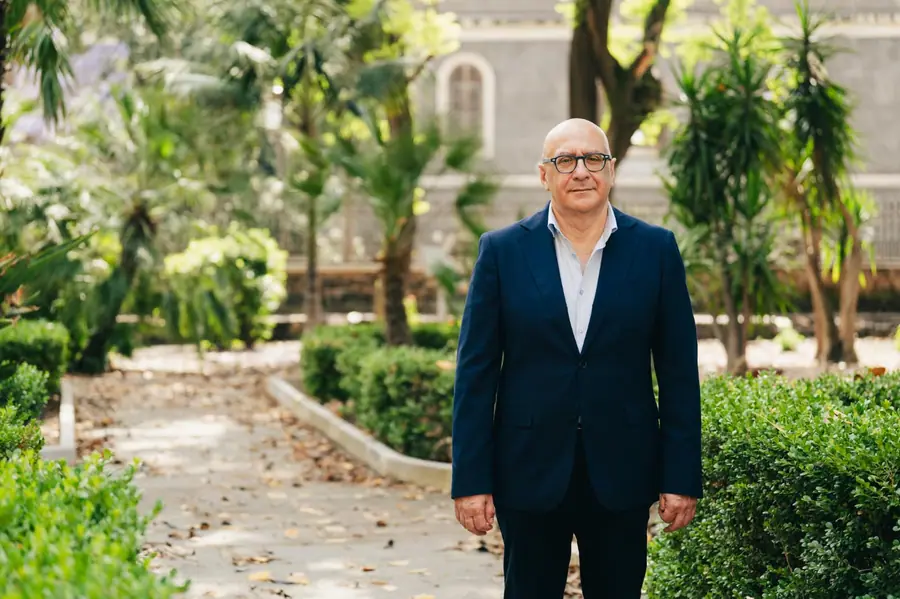
Who is Epifanio Comis
From his training in Italy to the concert halls of the world: the pianist, the conductor, the teacher.
The beginnings
The training
A whole careerHe has built a distinguished career spanning the different sides of music.
A leading figureThis makes him a leading figure on the contemporary music scene.
The studiesHis academic studies began in Italy and were enriched by international experience.
Two paths togetherAn essential grounding for his growth as a pianist and as a conductor.
Study and practiceDedication to study and practice has taken him to the most renowned halls in the world.
The pianist
The halls
Where he has playedAs a pianist he has performed in some of the most renowned halls in the world. Among many, these.
Different culturesHalls far apart from one another, and each time an encounter with a different musical culture.
What remainsFrom those encounters came a wider repertoire and a finer artistic sensibility.
- ICarnegie HallNew York
- IISymphony HallOsaka
- IIIRoman AthenéeBucharest
- IVSymphony HallKyoto
- VKachaturian HallYerevan
- VIOpera HouseDubai
The conductor
The podium
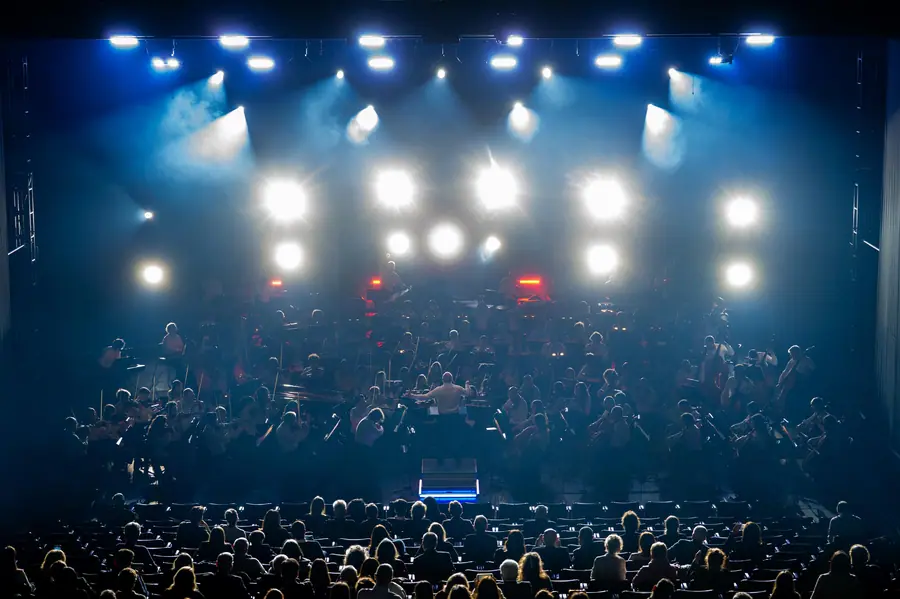
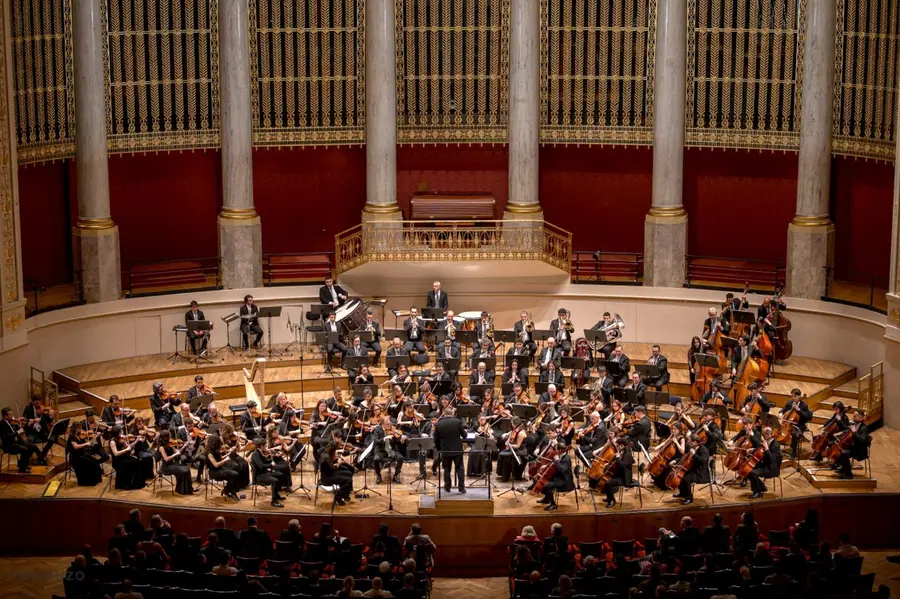
On the podiumAs a conductor he has led concerts in many of the most prestigious halls in the world.
Two crafts in oneHis work as a conductor joins the pianist's skill to a wider artistic vision.
Historic and contemporaryThe programmes hold works by historic composers and by contemporary ones.
- IBerlin PhilharmonieBerlin
- IIKonzerthausVienna
- IIITeatro Massimo BelliniCatania
- IVCentral Concert HallKazakhstan
- VKachaturian HallYerevan
The method
How he conducts
The scoreA deep understanding of the score, joined to a sensibility that is his own.
Freshness and vitalityHence readings full of freshness and vitality, which keep the attention of the audience awake.
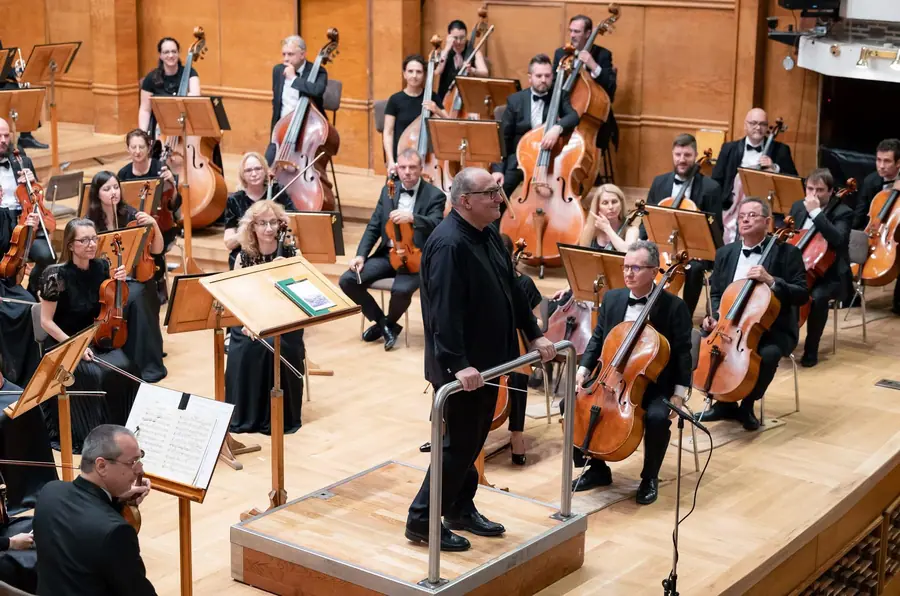
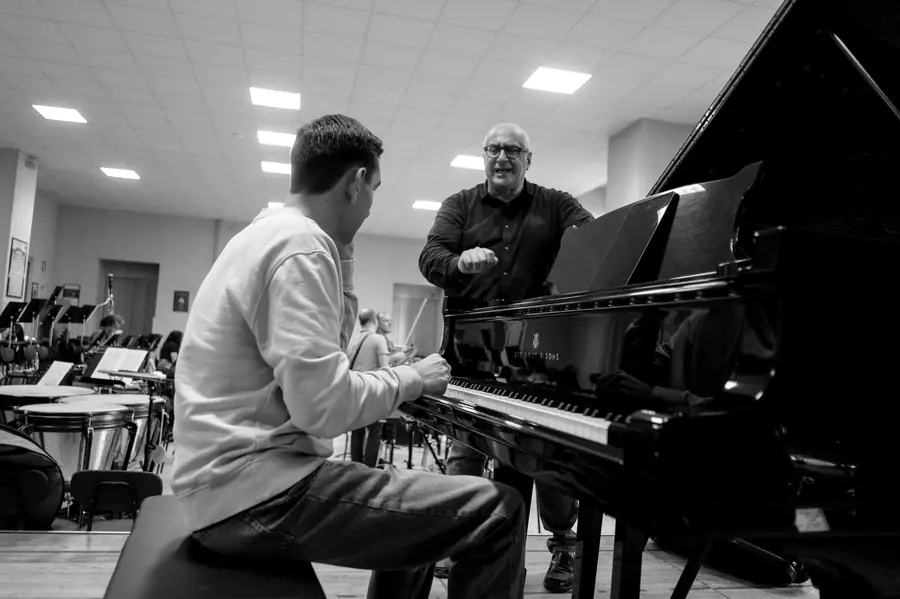
More than leadingComis does not merely lead the orchestra: he opens a real dialogue with the musicians.
Their creativityHe urges them to bring their own creativity into play, and the atmosphere turns collaborative.
The resultThat is where exceptional performances are born.
The teacher
Teaching
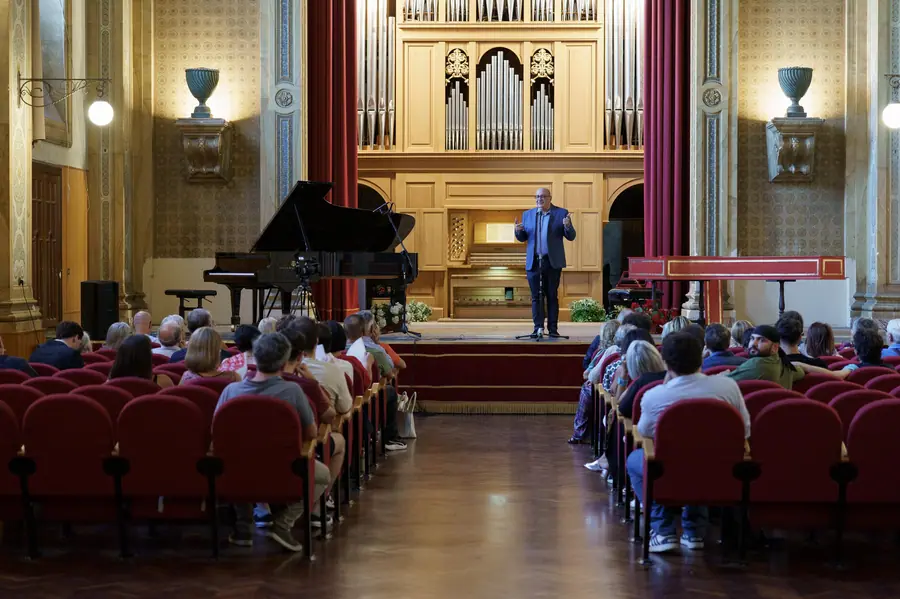
More than the stageNot only a gifted artist: a visionary educator too.
The power of musicHe believes in the transformative power of music.
Young musiciansA particular dedication goes to the training of young musicians.
Innovate and promoteHis gift for innovation goes with a commitment to promoting classical music on a global scale.
A point of referenceThis is why he is a point of reference in the contemporary music world.
Beyond the notesHis influence reaches beyond the notes played: it touches the lives of many students and professionals.
The legacy
What he leaves
A source of inspirationHis career goes on being a source of inspiration for musicians and music lovers alike.
Visible dedicationHis dedication to the art shows in the performances and, just as much, in the teaching.
Faithful and newHe adapts and innovates while staying true to tradition, and brings classical music into contemporary settings.
An essential figureThis makes him an essential figure on the music scene of today.
Mentor and guideAn example of passion, commitment and talent: in the music community he is mentor and leader.
Future generationsHis legacy will go on shaping the musicians of tomorrow, who find inspiration in his example.